
The Impact of Pass/Fail of Standarized Testing and Grades of Learners and Training Programs
CLIME | Recorded December 11, 2023
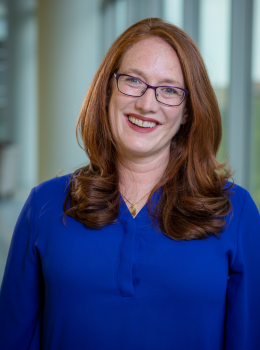

Tai Lockspeiser, MD, MHPE, FAAP
Dr. Tai Lockspeiser is a Professor of Pediatrics and the Jones Family Endowed Professor of Medical Education at the University of Colorado School of Medicine, where she also serves as Assistant Dean of Assessment, Evaluation, and Outcomes. She leads efforts around assessment and coaching in the school’s Trek curriculum and teaches in the Child Health Clinic. A graduate of Stanford and UCSF, Dr. Lockspeiser also holds a master’s in Health Professions Education. Her scholarship focuses on learning goals, curriculum development, and assessment, and she is a nationally recognized educator with multiple teaching and research awards.
Heather McPhillips, MD, MPH
Dr. McPhillips is the Associate Dean for Curriculum at the University of Washington School of Medicine and a Professor of Pediatrics in the Clinician-Scholar pathway. She oversees the medical student curriculum across WWAMI and practices general pediatrics at the UW Roosevelt Clinic, where she teaches students and residents. Formerly the Residency Director for the UW/Seattle Children’s pediatric residency program, she has led numerous medical education initiatives locally and nationally. Her research focuses on learner well-being, competency-based education, inclusive learning environments, anti-racism in medical education, and coaching.
Key Takeaways
-
Reframe the Purpose of Assessment: Assessment should support learner growth and ensure readiness to provide safe, effective patient care—not just assign a grade.
-
Unpack Grading vs. Assessment: Grading is a label, often inconsistent and subjective, while assessment is a broader, ongoing process grounded in feedback and competency.
-
Address Equity in Evaluation: Research shows disparities in grading based on race, gender, and identity—highlighting the need to examine structural bias and fairness.
-
Explore Competency-Based Medical Education (CBME): CBME prioritizes outcomes, individual progression, and direct observation, offering a learner-centered alternative to time-based models.
-
Balance Growth and Selection: There’s tension between supporting learner development and meeting residency selection demands—schools must navigate both.
-
Consider the System, Not Just the Symptoms: Moving to pass/fail may reduce inequities, but deeper issues like bias and learner support require systemic change. Structural and interpersonal biases may lead to stereotype threat and amplification of small differences over time, affecting learners’ long-term opportunities.
WATCH THE RECORDING
Recorded on December 11,2023, Captions Available