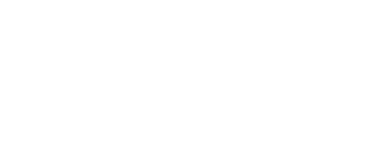

Jacqueline Birnbaum, MD
Assistant Professor, Medicine
Harmony and Dissonance: How Physicians Engage in Identity Work to Reconcile Their Professional and Personal Identities
Collaborator(s): Justin Bullock, MD, MPH, Department of Medicine, Jonathan Ilgen, MD, Department of Emergency Medicine
Grant Amount: $3,995
Abstract: Physicians engage in ongoing identity work to reconcile their professional roles with their personal values and identities. While professional identity formation has been widely studied in trainees, less is known about how practicing physicians continue this process. This qualitative study will explore how general internal medicine physicians experience and actively shape their
identities in response to systemic, cultural, and personal influences.
Using a constructivist grounded theory approach, we will conduct semi-structured interviews with general internal medicine hospitalists and primary care physicians at the University of Washington. Our analysis will examine the strategies physicians use to navigate identity-related challenges, the internal and external factors shaping these processes, and how emotionally significant moments—such as those involving fulfillment, burnout, or conflict—reveal how physicians make meaning of their professional lives.
This study will contribute to medical education by offering deeper insight into how physicians navigate the ongoing integration of personal and professional identities. Findings may inform strategies at multiple levels—individual, interpersonal, and institutional—for supporting identity development and well-being. In particular, this work may guide the design of educational interventions that incorporate structured reflection, helping trainees build the skills needed to engage in identity work throughout their careers.

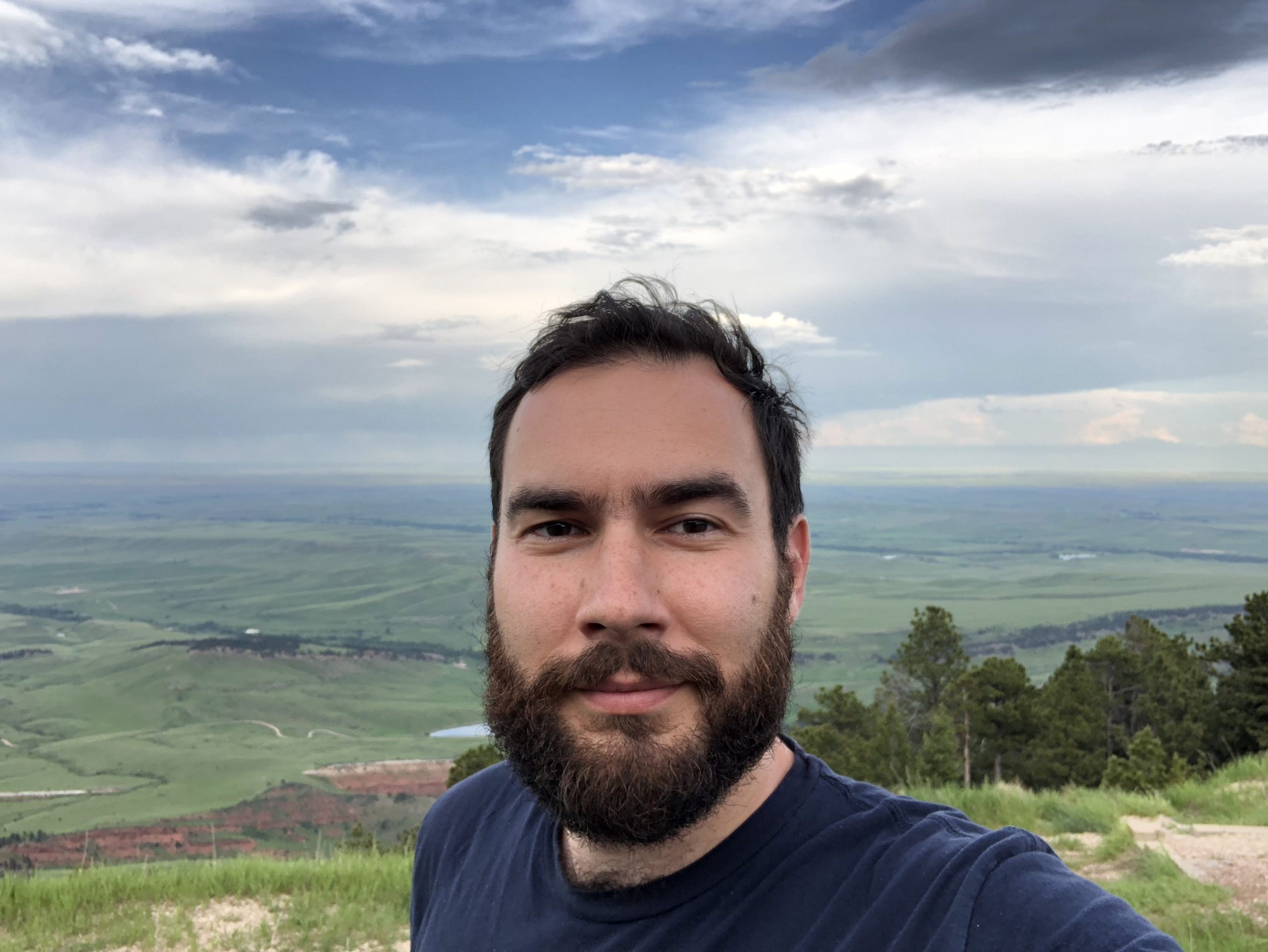
Robin Christian, MD
Clinical Instructor, Family Medicine
Shaping TRUST 2.0: Insights from Students and Alumni in the Targeted Rural Underserved Track Program
Collaborator(s): Toby Keys, MA, MPH, Department of Family Medicine
Grant Amount: $3,857.75
Abstract: Rural communities face critical physician shortages and an aging population with exacerbating chronic illnesses and comparatively higher mortality rates. The Targeted Rural Underserved Track (TRUST) at UWSOM has successfully prepared physicians for rural practice; however, recent medical school curriculum changes have significantly limited dedicated time for TRUST activities. Input from current students and alumni is essential to understanding which TRUST components most effectively support rural career pathways and to identifying existing stressors with participation.
Objectives
• Determine which TRUST experiences (e.g., mentorship, rural rotations) are the most impactful for students.
• Understand participants’ primary challenges to participating in TRUST
• Provide recommendations to the TRUST Revisioning Committee for refining the curriculum and aligning TRUST activities with UWSOM’s evolving framework.
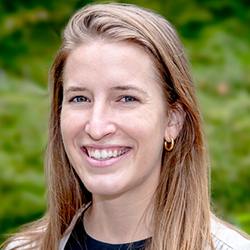
Vince Raikhel, MD
Assistant Professor, Medicine

Clinton Olivas, MD
Acting Instructor, Medicine
Understanding the Resident Physician Experience in Inpatient Behavioral Emergencies
Grant Amount: $4,680
Abstract: Healthcare-associated behavioral emergencies have become increasingly prevalent both locally and nationally, leading to the recent development of curricula that support verbal de-escalation skills for medical students and residents. However, little is known about the underlying challenges that resident physicians experience in behavioral emergency encounters, including how they conceptualize their own role in a behavioral emergency, their relationship to other staff involved, and how these experiences may lead to moral injury or burnout. We aim to characterize the phenomenon of resident physicians engaging in behavioral emergencies in hospital settings through approximately 30 one-hour semi-structured Zoom interviews involving residents from different specialties (emergency medicine, internal medicine, pediatrics, psychiatry) practicing in differing hospital environments. Interviews will be audio recorded, transcribed, and analyzed using a constructivist qualitative approach. Identified themes will aim to characterize how resident physicians approach and process the impacts of behavioral emergencies. Our findings will support a more nuanced understanding of current resident physician practices and experiences in this area and help contextualize the ongoing development of training and workshops for the management of behavioral emergencies.

Tyler Bland, PhD
Clinical Assistant Professor, WWAMI Medical Education, Pharmacology
Development and Evaluation of Generative AI-Powered Intelligent Tutors within the Medimon Musculoskeletal Module
Collaborator(s): Lucas Sheneman, Director of Research and Computing and Data Sciences
Grant Amount: $5,000
Abstract: The rapid advancement of generative artificial intelligence (genAI) presents a unique opportunity to enhance medical education by providing adaptive, personalized learning experiences. We propose the integration of genAI-powered intelligent tutors into the Medimon digital learning platform, specifically within the module that covers the material found in the Muscles, Joints, Bone, and Skin (MJBS) block of the UWSOM Foundations. Utilizing the DeepSeek-R1-Distilled-Llama-70B via GroqCloud API, complemented by a retrieval-augmented generation (RAG) system tailored to block-specific learning objectives, we will enable interactive, inquiry-based learning. First-year medical students in the MJBS block will engage with these AI tutors for self regulated learning throughout the block duration. We will analyze interaction logs to assess accuracy, engagement, and identify learning gaps and question patterns. At block conclusion, the Situational Interest Survey for Multimedia (SIS-M) will measure student engagement and interest. Anticipated outcomes include enhanced learning personalization, improved content relevance based on student inquiry patterns, and positive student attitudes towards genAI enhanced medical education.
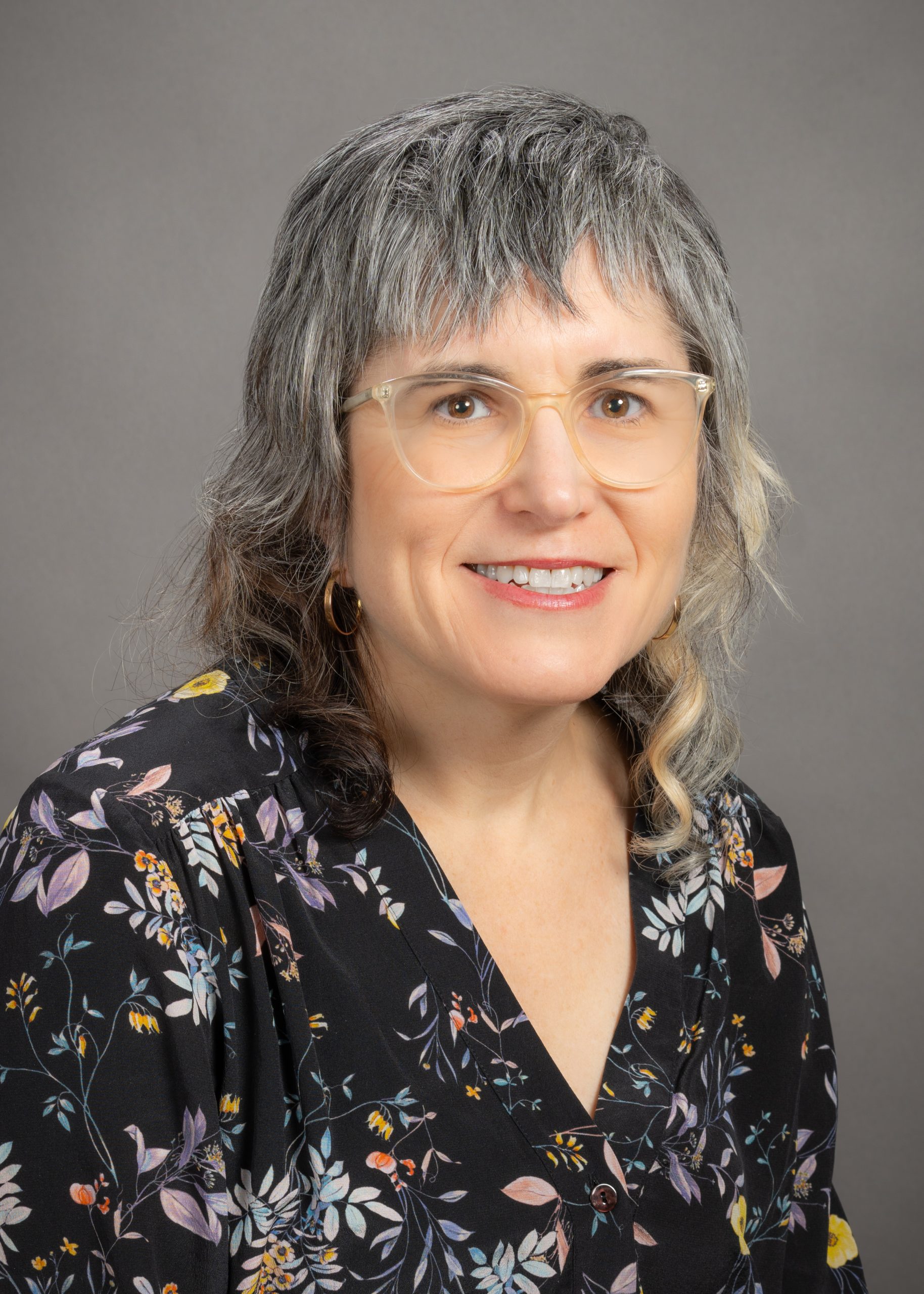
Hannah Deming , MD
Assistant Professor, Bioethics and Palliative Care
Department of Pediatrics
Advancing Communication Skills: Implementing a Goals of Care Curriculum for Senior Pediatric Residents
Collaborator(s): Amy Trowbridge, MD, Department of Pediatrics, Division of Bioethics & Palliative Care
Grant Amount: $3,264
Abstract: Effective communication during serious illness is a critical but underdeveloped skill among pediatric residents. The University of Washington Pediatric Residency Program has an established half-day workshop for interns focused on communicating serious news and responding to emotions. Residents and faculty have told us senior residents require more sophisticated communication strategies to facilitate complex decision-making. This project will create a workshop to teach goals of care conversations using the evidence-based VitalTalk REMAP framework, while also incorporating it into our program’s new x+y schedule. This new workshop represents the critical second phase in our forming longitudinal communication curriculum, deliberately timed when residents have sufficient clinical experience to apply these advanced skills.
Through high-fidelity simulation with professional actors, residents will practice complex communication tasks in realistic clinical scenarios with expert feedback. The curriculum’s effectiveness will be assessed using validated instruments including pre/post knowledge assessments, confidence scales, and 3-month follow-up evaluations. This assessment approach will measure not only immediate skill acquisition but also retention and clinical application.
A longitudinal curriculum ensures residents develop increasingly advanced communication skills at appropriate developmental stages. Results will be disseminated at national medical education conferences and through peer-reviewed publication, creating a model curriculum that other training programs can adopt.

Christopher Jons, MD
Physician Director, WWAMI Missoula
Department of Pediatrics
Susan Merel, MD, FACP
Professor, Medicine
Feasibility of WBA-based approach to teaching and assessing communication skills within clerkships using VitalTalk methodology
Grant Amount: $4,420
Abstract: Serious illness communication skills need to be learned and practiced by all physicians and trainees in order to provide compassionate, patient-centered care. Despite the rapid growth of the field of palliative care as a clinical discipline and area of academic research over the last few decades, significant gaps remain in the availability of palliative care specialists, especially in rural areas, as well as evidence-based guidelines for best practices in teaching these skills in undergraduate medical education. The vast majority of WWAMI clerkship faculty lack training in serious illness communication, so teaching our students requires teaching our faculty as well. We propose the development and integration of a serious illness communication skills curriculum into 4 clerkships in Missoula, consisting of the following components:
1) Training up faculty in these core skills using the evidence-based methodology VitalTalk
2) Providing a curriculum for students participating in the clerkships
3) Development of a novel WBA assessing an entrustable professional activity involving two core components of serious illness communication (responding to emotion and delivering a headline). We will assess the feasibility of implementing this curriculum in Missoula as a first step to potential expansion into other WWAMI sites.