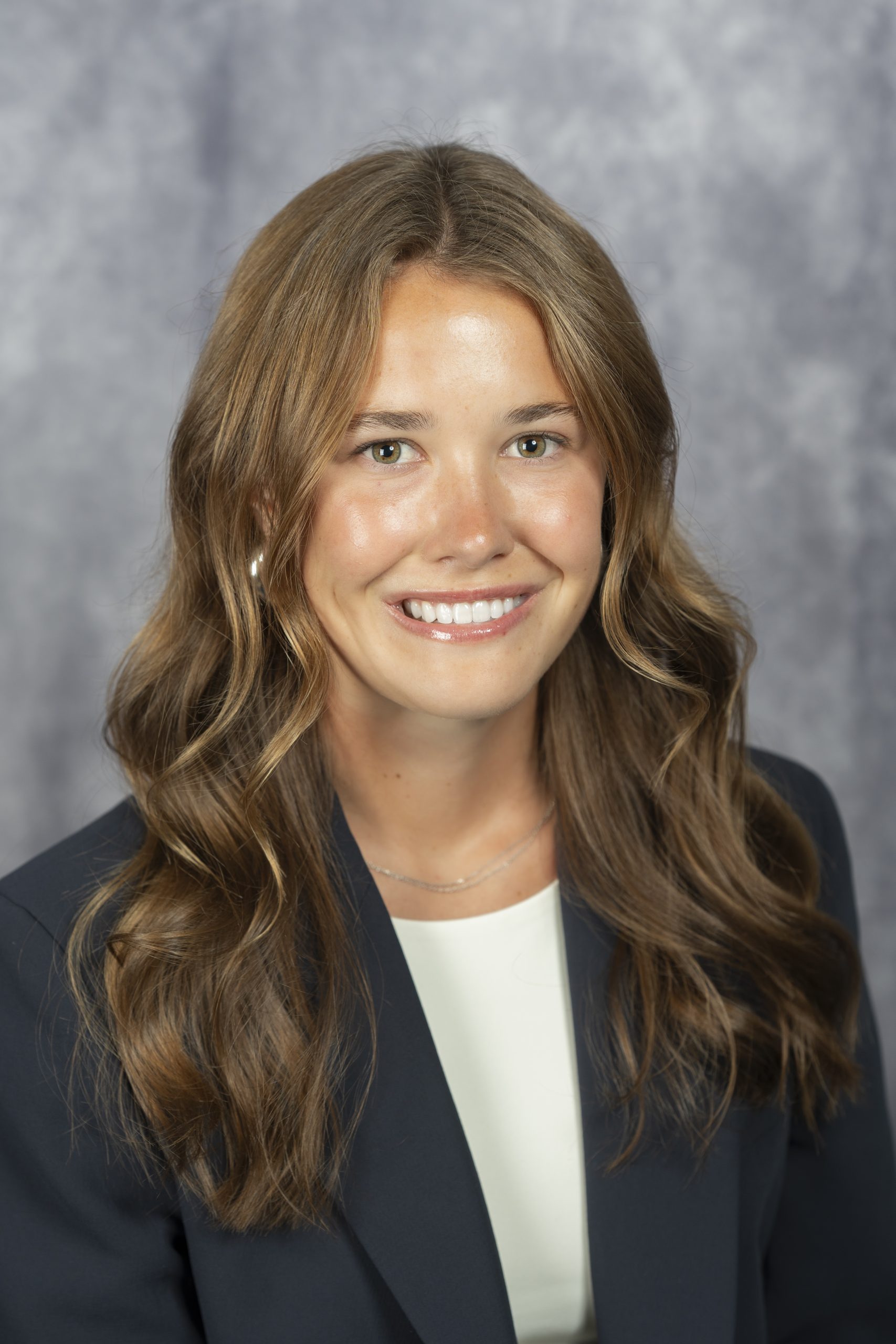
Megan Corette
UWSoM MS2
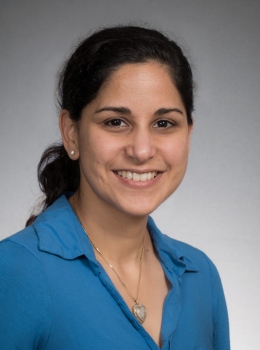
Maya Sardesai, MD, M.Ed
Associate Professor, Otolaryngology Head and Neck Surgery
Assessing the Validity of Automated Scoring in Flexible Nasolaryngoscopy Simulation: A Comparison of Trajectory-Based and FLEXPAT Scoring
Collaborator(s): Anna Christiana Clements, MD, Felix E Fernandez-Penny, Michael Bindschadler, PhD, Huy Le, Tanya K. Meyer, MD, Seth Friedman, PhD
Grant Amount: $4,837
Abstract: Flexible nasolaryngoscopy (FNL), a common procedure for examining the nose and throat, is traditionally learned on live patients, which carries real risks. Simulation-based training offers a safer alternative, but measuring trainee performance objectively has remained a challenge.
This project evaluates a 3D-printed FNL trainer that automatically scores trainee performance based on instrument movement patterns. Researchers will compare those automated scores against expert video review using a validated assessment tool, then refine the scoring algorithm to improve accuracy. The updated algorithm will be tested with a new group of medical trainees in a July 2026 bootcamp.
The goal is to develop a reliable, cost-effective way to give trainees real-time, objective feedback as they learn this essential clinical skill.

Kathleen Cummer, PT, DPT, PhD
Acting Instructor, Rehabilitation Medicine
Advancing Diabetes Competency in Physical Therapy: A National Study of Doctor of Physical Therapy Education
Collaborator(s): Subbu Trikudanathan, MD, MMSc, Memrie Ferguson, PT, DPT, OCS, FAAOMPT, Janna McGaugh, ScD, PT, OCS, FAAOMPT
Grant Amount: $5,000
Abstract: Physical therapists (PTs) frequently work with patients who have diabetes, yet studies show many practicing PTs have limited diabetes-specific knowledge. While leading health organizations recommend that PTs play an active role in diabetes self-management, accreditation standards for Doctor of Physical Therapy (DPT) programs don’t currently require diabetes content, and little is known about how much, if any, programs are teaching it.
This study will examine the depth and breadth of diabetes education across accredited DPT programs in the United States, while also exploring program directors’ attitudes about including diabetes content in their curricula. Researchers will survey DPT programs nationally and conduct optional small-group interviews at PT conferences or via Zoom.
Findings are expected to reveal meaningful gaps in how diabetes is addressed at the curricular level, laying the groundwork for developing targeted educational resources for both DPT students and practicing clinicians, with the ultimate goal of improving care for patients living with diabetes.

Brad McIntyre, MD
Acting Professor, Emergency Medicine
When Supervisors Step In: Negotiating Safety and Independence
Collaborator(s): Jon Ilgen, MD,PhD, Joshua Jauregui, MD, Bjorn Watsjold, MD, Amina Ramadan, MD
Grant Amount: $3,360
Abstract: When supervising physicians work alongside residents and trainees, they constantly navigate a delicate balance between supporting trainee independence and ensuring patient safety. These judgment calls happen quickly, in complex clinical environments, and very little is understood about how supervisors make them.
This study focuses on “stepping-in,” the range of behaviors a supervising physician uses when they decide to take greater control of patient care. This can be as minor as adjusting a medication dose or as significant as taking over leadership of a critical resuscitation. Using in-depth interviews with academic emergency medicine attending physicians across four emergency departments, researchers will explore the cognitive, relational, and contextual factors that shape these decisions.
The goal is to develop a richer conceptual understanding of how supervisor, trainee, environmental, and system-level factors interact in these pivotal moments, ultimately informing how medical education programs prepare and support clinical supervisors.
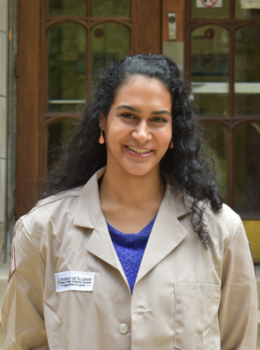
Amina Ramadan, MD
Acting Instructor, Emergency Medicine
Emerging Victorious: Resident Experiences of Resilience in Procedural Learning
Collaborator(s): Jon Ilgen, MD,PhD, Joshua Jauregui, MD, Bjorn Watsjold, MD, Bradley McIntyre, MD
Grant Amount: $2500
Abstract: Medical training requires residents to master hands-on procedures, and mistakes are an inevitable part of that process. While the negative effects of procedural errors on trainees are well documented, much less is known about how residents process those experiences and find the confidence to try again.
This study explores how residents experience procedural challenges and what helps them move forward after a setback. Using in-depth narrative interviews guided by a resilience framework, researchers will examine the individual, relational, and environmental factors that influence a resident’s ability to re-engage after a difficult or failed procedure. Both internal medicine and emergency medicine residents will be included, allowing for comparison across different practice environments.
Findings are expected to give medical educators practical insights into how to better support residents who are struggling to bounce back, ultimately strengthening both trainee development and patient care.

Jelena Svircev, MD
Professor, Rehabilitatation Medicine
Building Expertise of UW Rehabilitation Medicine Professionals in Adaptive Sports
Collaborator(s):Sue Spaulding, MS, L/CPO, FAAOP, Elizabeth Scriven, PsyD
Grant Amount: $5000
Abstract: Physical activity is vital for everyone’s health and well-being, including individuals living with physical or mental disabilities. Yet for many people with disabilities who participate in sports, standard care isn’t enough. They often need individualized modifications or specialized equipment to participate, which is the domain of adaptive sports medicine. Despite this need, adaptive sports content is rarely integrated into rehabilitation medicine training, leaving gaps in both knowledge and clinical care.
This project aims to address that gap by developing a comprehensive Adaptive Sports Program within UW Rehabilitation Medicine. The program will focus on three goals: creating dedicated adaptive sports curriculum, establishing sustainable partnerships with local adaptive sports organizations, and increasing awareness of Rehabilitation Medicine services among adaptive athletes and their communities.
The program will be designed and evaluated using established implementation science frameworks to ensure it is effective, sustainable, and scalable, ultimately building lasting expertise among UW Rehabilitation Medicine clinicians, faculty, and graduates.