2022-2023 CLIME Funded Projects
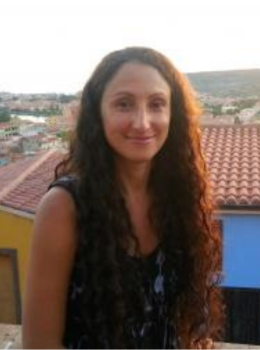
Noelle Benzekri, MD, MA, DTM&H
Assistant Professor
Medicine, Allergy and Infectious Diseases
Medicine for a Changing Planet: A Clinical Case-Based Curriculum
Collaborator(s): Peter Rabinowitz, MD, MPH, Director, UW Center for One Health Research; Professor, Family Medicine Global Health, Environmental and Occupational Health Sciences
Grant Amount: $5,000
Abstract: Human health depends on the health of our environment. Dramatic changes in our environment and ecological systems are affecting the quality of our air, water, and food and the resilience of communities around the world – particularly, marginalized and low-income populations. As climate change, pollution, deforestation, and multiple other environmental challenges grow in urgency, we are faced with shifting patterns of disease, and new threats to human health, well-being, and security. In this era of rapid change, the role of physicians and other health professionals is evolving. The future of medicine require physicians capable of detecting sentinel cases of disease due to environmental factors, systems thinking, urgent action, and interdisciplinary approaches to healthcare and stewardship. The “Medicine for a Changing Planet” curriculum will be based upon a set of approximately 10 competency-driven, interactive clinical cases that demonstrate the health impacts of global environmental challenges and provide concrete skills to address these challenges in the patient care setting.
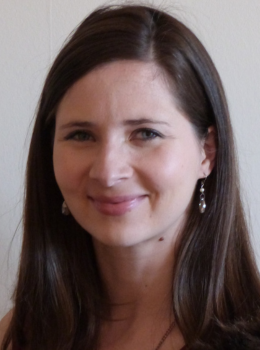
Ashley Dennis, PhD
Director, Office of Medical Education
Billings Clinic
Transitions of Newly Graduated Providers into Rural Practice
Collaborator(s): Garth Brand MD, Assistant Clinical Professor, Department of Family Medicine, University of Washington School of Medicine, Virginia Mohl, MD, PhD, DIO, Medical Director Education, Billings Clinic; Clinical Instructor, Department of Family Medicine, University of Washington School of Medicine, Clint Seger, MD, Vice President and Regional CMO, Billings Clinic, Lisi Gordon, PhD, Senior Lecturer, Centre for Medical Education, University of Dundee, Divya Jindal-Snape PhD, Professor, Transformative Change, Educational and Life Transitions Research Centre, University of D
Grant Amount: $5,000
Abstract: Providers (Nurse Practitioners, Physicians and Physicians Assistants) experience multiple transitions across the course of their career. The T3D model of transition suggests across the trainee-trained transition, physicians experienced changes in physical, cultural, psychological and social domains within workplace, role, educational and home contexts (Gordon et al. 2020). Retaining new providers is a particular challenge for rural communities (Bailey et al., 2016; McGrail et al., 2017). One potential reason for this may be that transitions into rural practice may be especially complex for new providers. There is limited research exploring this transition for newly graduated rural providers. It is critical to learn more about these multidimensional transition experiences. Using a qualitative design underpinned by social constructionism, this study will explore the transition experiences of recently graduated providers into rural clinical practice to understand their ongoing transition support and wellbeing needs. It ultimately aims to identify key factors that both educators in the postgraduate arena as well as administrators in the clinical settings can use to develop multidimensional support systems as providers transition into rural healthcare roles.

Megan M. Gray, MD
Associate Professor
Pediatrics
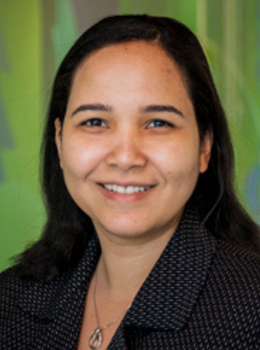
Rachel Umoren, MBBCh, MS
Associate Professor
Pediatrics
Communicating and Connecting: Implementing and Evaluating a Curriculum on Prenatal Counseling for Residents
Collaborator(s): Taylor Sawyer DO, MEd, Professor, Department of Pediatrics, Shilpi Chabra MD, Professor, Department of Pediatrics, Sheela Sathyanarayana MD, Professor, Department of Pediatrics, Pam Pentin MD, Associate Professor, Department of Family Medicine, Ying Zhang MD, MPH, Assistant Professor, Department of Family Medicine , Austin Baird PhD, Research Assistant Professor, Department of Surgery, R. Nicholas Burns MD, Fellow, Department of Obstetrics & Gynecology, Michelle Bartlett MD, MS, PGY2 Resident, Department of Pediatrics, Ellie Ficco MD, PGY1 Resident, Department of Anesthesiology
Grant Amount: $5,000
Abstract: Late preterm infants comprise 75% of preterm births in the United States. While late preterm infants have the appearance of term newborns, they are still physiologically immature and may have health complications. The families of late preterm infants need educational and emotional support, which is best provided before birth via prenatal consultation. While learners often navigate difficult conversations for the first time with actual patients, simulation-based learning methods provide a supportive learning environment to practice these skills without risk to the physician – patient relationship. Through this project, we aim to broadly deploy novel state-of-the art tools including a prenatal counseling curriculum designed for Pediatrics, Obstetrics and Family Medicine residents who engage in these sensitive conversations, practice sessions with a virtual standardized patient (VANESSA), and directly observed feedback in clinical settings using the validated Antenatal Counseling Milestones Scale (ACoMS). This project will support ongoing education in prenatal counseling for residents at the UWMC Montlake and Northwest Campuses and address the identified need to improve the quality of prenatal counseling for parents of late preterm infants.

Caitlin Schrepel, MD
Assistant Professor
Emergency Medicine
Exploring the Role of Specialty Identity in Medical Student Professional Identity Formation: A Qualitative Analysis
Collaborator(s): Ashley Amick, MD,MSCR Department of Emergency Medicine and Internal Medicine (Co-PI), Jonathan Ilgen, MD, PhD, Department of Emergency Medicine, University of Washington, Joshua Jauregui, MD, Department of Emergency Medicine, University of Washington, Bjorn Watsjold, MD, MPH, Department of Emergency Medicine, University of Washington, Maralyssa Bann, MD, Department of Medicine, University of Washington
Grant Amount: $3,670
Abstract: Medical student professional identity formation (PIF) is impacted by aspects of the clinical working environment. Our recent work highlights how group identity according to specialty, or specialty identity, impacts how physicians engage with each other. Similarly, the tenets of sociocultural learning theory suggest that it is critical for trainees to work in a group with others pursuing the same goals, as part of a community of practice. However, group alliance also fosters boundaries between groups. In fact, our recent work demonstrated how biases and stereotypes directed at other specialties were signaled throughout training and promoted conflict. While we are beginning to understand how specialty identity impacts practicing physicians, there remains a gap in our understanding of how this type of identity forms early in training. Thus, we propose a qualitative study which will explore how medical students develop and understand their specialty identity as it begins to form. We will interview students using inductive techniques and analyze transcripts using a constructivist grounded theory approach. We hope that an improved understanding of how specialty identity impacts the PIF will provide educators with the tools to promote healthy communities of practice and limit the negative consequences of group alliance.
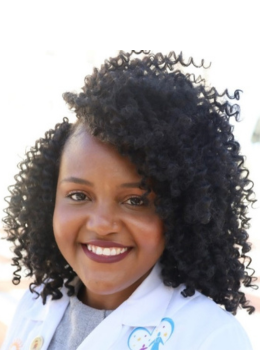
Desiree Yeboah, MD
Fellow
Pediatrics
Black/African American Residents’ Experiences of Racial Affinity Groups in a Pediatric Training Program
Collaborator(s): Sahar Rooholamini, MD, MPH, Assistant Professor of Pediatrics, Jordan DeSanto, MA
Grant Amount: $4, 564
Abstract: Prior literature has shown that experiences of racism are pervasive in the professional lives of trainees who are underrepresented in medicine (URiM), particularly Black and African American trainees, often leading to professional dissatisfaction, feelings of disengagement, and unplanned changes in career trajectories. Understanding the unique experiences of Black and African American trainees is crucial to fostering an antiracist learning environment. In recent years, residency programs have introduced racial affinity groups as a tool to explore racism in their curricula and institutions, support community-building, and promote an inclusive, antiracist learning environment. With this intervention, it is important to understand the experiences of Black and African American residents in racial affinity groups. The aim of this project is to describe and understand the lived experience of Black and African American pediatric residents in racial affinity groups. This work may inform future use of racial affinity groups in residency training by providing a deeper understanding of Black and African American residents’ experiences with them.